
Microplastics: Health Effects on the Brain and Vascular Systems, Food and Environmental Sources, Prevention and Reducing Your “Plastic Load” an Interview with Hana Kahleova, MD, PhD

Kirk Hamilton • January 17, 2026

Share this article

Sat, 17 Jan 2026 05:46:12 +0000

Hana Kahleova, MD, PhD
Physicians Committee for Responsible Medicine
5100 Wisconsin Ave NW, Ste 400
Washington, DC 20016
hkahleova@pcrm.org ; hana.kahleova@gmail.com

(Summary of interview transcript generated by otter.AI and ChatGPT edited by Kirk Hamilton PA / Slide presentation follows Summary, Key Points and Outline Below)

SUMMARY

In this interview, Kirk Hamilton hosts Dr. Hana Kahleova—an endocrinologist and Director of Clinical Research at the Physicians Committee for Responsible Medicine (PCRM)—to discuss the emerging problem of microplastics and their human health implications. Dr. Kahleova outlines her medical background, research credentials in diabetes and plant-based nutrition, and then details recent scientific findings on the presence of microplastics in human tissues, associations with chronic disease, primary exposure pathways (with marine food sources being predominant), and potential dietary strategies to mitigate absorption or toxicity of microplastics.
Key research highlighted includes autopsy studies showing microplastic accumulation in human brain tissue (with higher levels observed in dementia cases), vascular studies linking microplastics in atherosclerotic plaque elevating cardiovascular risk, and laboratory findings suggesting fiber and plant compounds may help reduce microplastic bioavailability and enhance removal.

Dr. Kahleova emphasizes that microplastics are ubiquitous in the environment but exposure can be reduced by limiting seafood intake, avoiding hot food contact with plastics, and using non-plastic storage and cooking materials. Dr. Kahleova further discusses evidence that plant-derived fibers and anthocyanin-rich foods may bind or block microplastic activity, potentially reducing endocrine disruption and metabolic effects.

The interview concludes with practical recommendations: reduce direct sources (especially contaminated seafood and heated plastic contact), consume high-fiber and colorful plant foods, and adopt glass or stainless-steel food storage strategies.

OUTLINE – KEY POINTS


I. Participant Backgrounds
A. Host: Kirk Hamilton, PA – Focus on lifestyle, preventative, integrative medicine topics.
B. Guest: Hana Kahleova, MD, PhD

  • Medical training in former Czechoslovakia

  • Specialty: Endocrinology

  • PhD in Human Physiology & Pathophysiology

  • Clinical research focus: plant-based nutrition & diabetes reversal

  • Director of Clinical Research at PCRM

II. Context of Topic: Microplastics and Health
A. Definition and relevance
B. Rising scientific and public health interest
C. Dr. Kahleova’s entry point into topic via key autopsy study

III. Evidence of Microplastic Accumulation in Humans
A. Autopsy study results (University of New Mexico)

  1. Sample: 24 human brains

  2. Major findings:

    • Average ~7 grams of microplastics per brain (≈ plastic spoon)

    • Polyethylene and polypropylene most common

  3. Trend data:

    • Microplastic content increasing over time in human tissues

  4. Dementia association:

    • Brains of dementia patients contained higher amounts

    • Association only; causality not established

IV. Cardiovascular Disease Associations
A. Study of 300+ patients undergoing carotid endarterectomy

  1. Microplastics detected in ~50% of plaques

  2. Outcomes during 3-year follow-up:

    • Those with microplastics had 4.5× greater risk of stroke, MI, or death

  3. Mechanistic considerations:

    • Microplastics may carry toxins

    • Potential inflammatory or vascular injury pathways

V. Endocrine Disruption and Obesity
A. Microplastics as endocrine disruptors
B. Debate regarding causal role in weight gain and metabolic disease
C. Hypothesized mechanisms:

  1. Hormone receptor interactions

  2. Transport of environmental toxins

  3. Inflammatory and oxidative stress signaling

VI. Primary Exposure Pathways
A. Environmental ubiquity

  • Air, soil, freshwater, oceans
    B. Dietary vectors

  1. Seafood/fish (highest dietary source)

    • Bioaccumulation via food chain (plankton → fish → humans)

    • In a single ~3 oz serving: ~0.24 g microplastics
      (~½ a plastic straw)

  2. Plant foods

    • Contain microplastics via soil/water exposure

    • Much lower concentrations: ~1–3 particles per 100 g
      C. Other non-food exposures

  • Water supplies

  • Household dust

  • Plastic consumer products

VII. Mitigation Through Diet
A. Fiber binding effects

  1. Lab study: groundwater with microplastics + complex carbs

  2. Fenugreek carbs removed ~89% of microplastics

  3. Okra carbs removed ~80%

  4. Implication: soluble fibers may bind microplastics in GI tract
    B. Anthocyanins & receptor blockade

  5. Compounds in purple/dark red fruits & vegetables (blueberries, blackberries, cherries, strawberries, purple potatoes)

  6. Mechanism: block microplastics from attaching to sex hormone receptors

  7. Potentially reduces endocrine-disrupting activity

VIII. Practical Lifestyle and Food Handling Recommendations

  1. Limit seafood (especially large or bottom-dwelling fish)

  2. Prefer wild-caught small fish if consumed

  3. Avoid microwaving plastics

  4. Avoid placing hot food into plastic containers

  5. Prefer glass and stainless steel

  6. Plastic lids acceptable if not contacting food

  7. Increase dietary fiber intake

  8. Increase anthocyanin-rich plant foods

  9. Emphasize whole-food plant-based eating

IX. Concluding Points
A. Microplastics cannot be completely avoided
B. Major exposures can be substantially reduced
C. Dietary countermeasures may offer biological protection
D. Further human causal research is needed

KEY TAKEAWAYS 

  1. Microplastics are now measurable in human tissues, including brain and vascular plaque.

  2. Epidemiologic findings link microplastics with higher cardiovascular and neurodegenerative risk, though causality remains unproven.

  3. Fish and seafood are significant dietary sources.

  4. Plant foods contain lower levels and may provide protective compounds.

  5. Fiber and anthocyanin-rich foods may bind microplastics or block endocrine actions.

  6. Avoiding heated contact between plastics and food reduces immediate exposure.

BOTTOM LINE
Microplastic exposure is an emerging environmental health issue with early evidence linking tissue accumulation to adverse cardiovascular and neurocognitive outcomes. While causality is not established, clinicians can apply practical exposure-reduction counseling and dietary strategies that carry low risk and broader metabolic benefit.

Kirk Hamilton PA-C
Health Associates Medical Group
3301 Alta Arden, Suite 3
Sacramento, CA 95825
(916) 489-4400 (w)
krhammer@surewest.net
www.StayingHealthyToday.com
www.HealthyLivingforBusypeople.com
www.KwikerMedical.com


Recent Posts

By Kirk Hamilton April 28, 2026
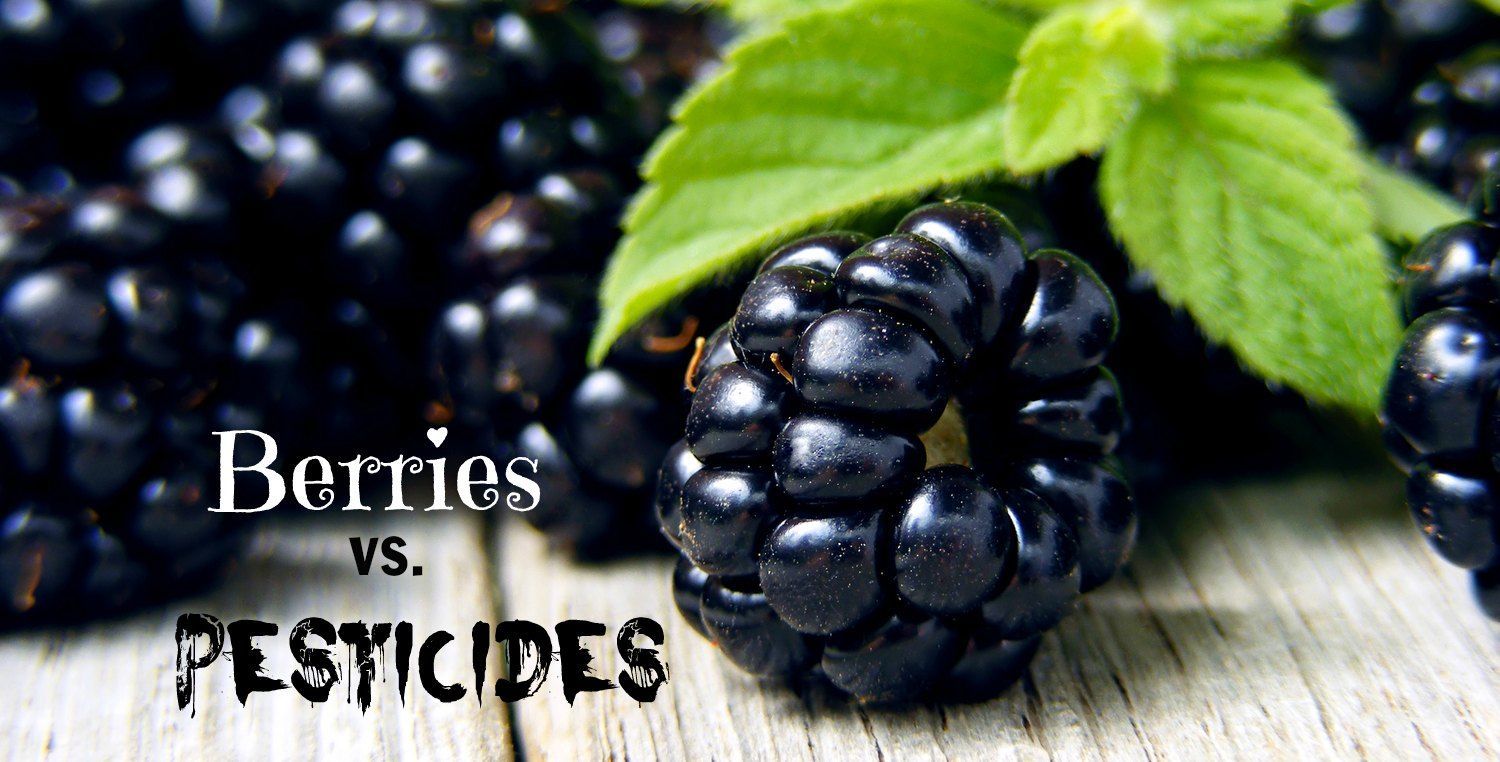
Thu, 14 Jul 2016 02:07:10 +0000 Berry consumption is shown to be protective against Parkinson’s disease in both men and women (apples are protective only in men) probably do to their flavonoid content. Obviously, you want to reduce your exposure to pesticides, but it’s just not in the fields with farm workers, it’s pesticides in […]
By Kirk Hamilton April 28, 2026
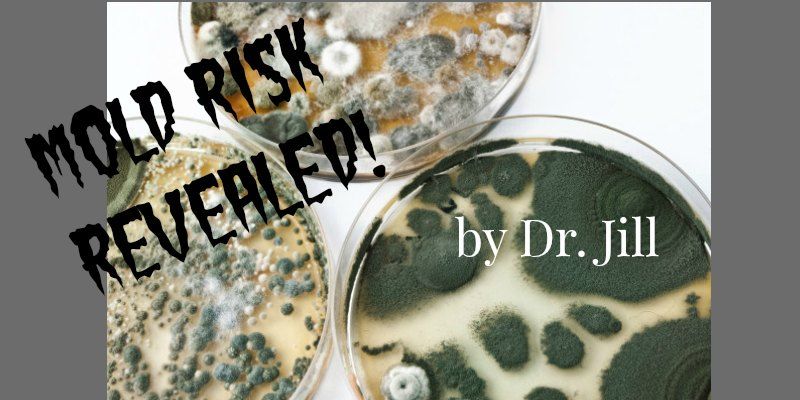
Sun, 08 Jan 2017 05:10:14 +0000 Chronic Inflammatory Response Syndrome (CIRS): What is It? Why Should We Care? What’s Does It Have to Do with Our Brain Function? (36:10 min)Kirk’s video overview of his interview with Dr. Jill Carnahan (8:19 min)Dr. Jill Carnahan’s Personal Story with Breast Cancer, Crohn’s Disease and CIRSDr. Carnahan always had […]

By Kirk Hamilton April 28, 2026
Sat, 16 Jul 2016 17:35:14 +0000 Great article! Physician-farmer grows the “plants” he prescribes to patients. One of his “ah ha” moments when his dad, who was given one month to live from pancreatic cancer, switched to a macrobiotic diet and lived another 18 months with excellent quality of life. He eventually sold his assets […]

By Kirk Hamilton April 28, 2026
Sat, 27 Aug 2016 20:39:18 +0000 Six or 7 years ago I had a gut infection and about month later I had an episode of what I believe was a version of Reiter’s Syndrome….For 2 weeks I had knife-like, burning urethritis (with no sign of infection), conjunctivitis – the white parts of my eyes were […]

By Kirk Hamilton April 28, 2026
Thu, 01 Sep 2016 03:39:09 +0000 Good-Bye Inflammation! How A Medical Doctor Reverses Chronic Diseases With A Hyper-Nourishing Diet Plan (33:27 min) Kirk’s overview video of his interview with Dr. Brooke Goldner (4:44 min)   Starting September 5, 2016 – Take Dr. Goldner’s FREE “28 Day SmoothieSHRED Challenge”! Dr. Brooke Goldner, a board certified psychiatrist, shares […]
By Kirk Hamilton April 28, 2026
Wed, 28 Sep 2016 01:11:56 +0000 Been traveling a bit this September for conferences every single weekend…one moreto go….IV Vitamin C in Cancer and Sepsis in Kansas City this Friday and Saturday…. September 10 went to Montefiore Hospital, Bronx, NY to see how plant-based cardiologistDr. Ostfeld teaches his one day Cardiac Wellness Workshop…I’m a bit […]

By Kirk Hamilton April 28, 2026
Thu, 08 Sep 2016 02:34:53 +0000 Dr. Marc Katz who received his combined M.D., M.P.H. from Tulane University School of Medicine in 1981. He completed his internship and residency in general surgery at the Medical College of Virginia, then a fellowship in cardiothoracic surgery, and additionally a fellowship in pediatric cardiac surgery at Boston Children’s […]
By Kirk Hamilton April 28, 2026
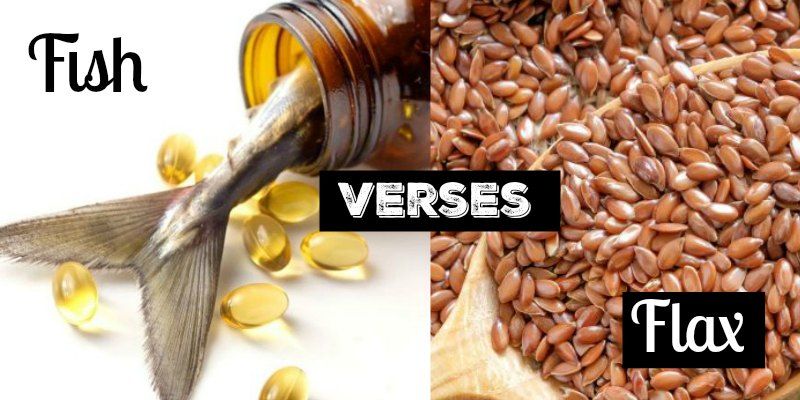
Wed, 17 Aug 2016 04:20:45 +0000 It is very popular to recommend fish oil for your brain to reduce the risk of dementia, memory loss or cognitive decline. This article is very timely since I have seen the power of the “75% packed greens diet” (smoothies and salads) mixed with added flax and/or chia seeds […]
By Kirk Hamilton April 28, 2026
Tue, 16 Aug 2016 06:37:21 +0000 This is how to make a hyper-nourishing smoothie…Do this for 28 days with a large raw salad daily, no added oils, no processed foods, 96 oz of water, at least a 1/4 cup of flax seed and some amazing things will happen to many of you!  Watch my video […]
By Kirk Hamilton April 14, 2026
Tue, 14 Apr 2026 04:28:40 +0000 Who Decides What Counts As Evidence? In 109 studies in 2022 regarding the relationship between the Covid Vaccine and Autoimmune Disorders “Nearly 60% of the studies reported relapses or flares, and approximately one-quarter documented new-onset conditions in individuals with no prior history of autoimmunity.” Claudia Chaufan, MD, PhD School […]

Show More