
Can Potatoes Can Be a Healthy Food for Diabetes and Weight Loss?  An Interview with Hana Kahleova, MD, PhD

Kirk Hamilton • January 18, 2026

Share this article

Sun, 18 Jan 2026 18:15:21 +0000

Hana Kahleova, MD, (Endocrinologist), PhD (Human Physiology and Pathophysiology)
Physicians Committee for Responsible Medicine
5100 Wisconsin Ave NW, Ste 400, Washington, DC 20016
hkahleova@pcrm.org ; hana.kahleova@gmail.com

(Summary of interview transcript generated by otter.AI and ChatGPT edited by Kirk Hamilton PA / Slide presentation follows Summary, Key Takeaways and Outline of Key Points Below)

SUMMARY

Physician Assistant Kirk Hamilton interviews Hana Kahleova, MD, PhD —an endocrinologist and research physician at the Physicians Committee for Responsible Medicine (PCRM) —on the role of potatoes in nutrition, diabetes prevention, and weight loss. Although potatoes have developed a reputation as harmful for people with diabetes due to their carbohydrate content, Dr. Kahleova argues that whole potatoes are nutritionally dense, low-fat foods that can be metabolically beneficial when prepared without added fats and consumed within a whole-food, plant-based diet.She reviews how observational studies historically conflated fried potatoes and chips with whole potatoes, leading to misleading associations with diabetes risk. She highlights international research showing neutral or protective effects when potatoes are boiled and eaten with vegetables or legumes rather than oils or meats. She further explains the underlying physiology of insulin resistance, emphasizing that ectopic fat—not dietary carbohydrate—is the key driver of impaired glucose metabolism. Practical guidance is given for incorporating potatoes and other carbohydrate-rich foods into diets to improve glycemic control and achieve weight loss.

KEY TAKEAWAYS

• Whole potatoes are nutrient-dense, fiber-rich, low-fat foods
• The “potato problem” is largely due to oil, frying, dairy, and meat pairings
• Earlier research misclassified fries/chips as “potatoes”
Boiled potatoes show neutral or beneficial associations with diabetes risk
• Cooling cooked potatoes increases resistant starch , lowering glycemic impact
• Diabetes pathophysiology involves ectopic fat , not dietary carbohydrate
• Low-fat plant-based diets improve insulin sensitivity in ~3 weeks
• Legumes + greens are glycemic stabilizers
• Whole fruit and potatoes are not restricted in successful diabetes reversal protocols
• Potatoes do not need to be feared if prepared without oil and excessive fats

OUTLINE OF KEY POINTS

I. Interview Context
A. Interviewer: Kirk Hamilton, PA – Staying Healthy Today Show
B. Guest: Hana Kahleova, MD, PhD – Endocrinologist & researcher, PCRM
C. Topic Focus: Potatoes, diabetes, and weight management
D. Motivation: Countering widespread fear of carbohydrate-rich whole foods

II. Dr. Kahleova’s Background
A. Clinical training: MD + endocrinology
B. Research training: PhD in human physiology/pathophysiology
C. Research focus: 1) Mechanisms of type 2 diabetes 2) Diet-based reversal of metabolic disease
D. Notable contribution: Demonstrated reversal of core metabolic dysfunctions in T2DM through plant-based diets

III. Why Potatoes Became Vilified
A. Historical data from Harvard cohorts reported higher diabetes incidence among high potato consumers
B. Methodological issue: “Potato” category included: 1) French fries, 2) potato chips, 3) baked/mashed potatoes (Boiled potatoes not included)
C. Dietary context con-founders: high consumers also ate more: 1) Red meat 2) Refined grains 3) Total calories; Example meal pattern: hamburger + fries + soda
D. Conclusion: Results reflected eating patterns and cooking methods, not potatoes alone

IV. Updated and International Evidence
A. Later Harvard analysis including boiled potatoes showed no association with diabetes risk
B. Finland & Netherlands research: 1) High potato intake correlated with higher vegetable/legume intake 2) Associated with lower diabetes risk
C. Iran cohort study: 1) High potato intake → 54% lower diabetes incidence 2) Boiled potatoes particularly protective (≈53% reduction) 3) Fried potatoes → no significant association
D. Key finding: Preparation method + dietary pattern drive outcomes

V. Potato Nutrition Basics
A. Whole potatoes provide: 1) Fiber 2) Micronutrients 3) Naturally low fat
B. Problems arise with: 1) Frying (oil absorption) 2) Butter/cream/cheese toppings 3) Meat-heavy meal combinations

VI. Resistant Starch & Glycemic Control
A. Cooling boiled potatoes increases resistant starch content
B. Effect: 1) Glycemic index decreases ≈37% 2) Benefit persists after reheating
C. Application: Improves glucose handling for diabetes and weight loss

VII. Insulin Resistance Mechanism
A. Conventional strategy: restrict carbohydrates to lower glucose
B. Root cause physiology: ectopic fat in muscle and liver drives insulin resistance
C. Source of ectopic fat: 1) Excess dietary fat (especially saturated fat) 2) Adipose spillover into organs
D. Metabolic effect: impaired carbohydrate metabolism despite unchanged carb intake
E. Intervention: low-fat, plant-based diet restores insulin sensitivity
F. Timeframe: meaningful improvement typically within ~3 weeks

VIII. Practical Management Strategies
A. Dietary pattern guidance for glycemic control:

  1. Prioritize leafy greens at meal start

  2. Emphasize legumes (beans, lentils, peas)

  3. Titrate starch portion gradually if needed

B. Behavioral tools:

  1. 10–15 minute post-meal walking → significantly reduces glucose spikes

  2. Monitoring with glucometer or CGM for feedback

IX. Fat Intake Considerations
A. Whole-food fats (nuts, seeds, avocado, olive oil) are healthy foods
B. Excessive fat intake slows insulin sensitivity improvements
C. PCRM clinical protocol: <30 g/day fat for fastest metabolic change

X. Fruits & Whole Carbohydrates
A. Whole fruits are not restricted in PCRM diabetes studies
B. Glycemic issues largely resolve once fat overload is reduced

XI. Cultural & Culinary Notes
A. Czech cuisine example: potato soups prepared without dairy or oil can be nutritionally beneficial
B. Reinforces that health outcome depends on preparation rather than carbohydrate content alone

XII. Core Conclusions
A. Potatoes are not inherently harmful for diabetes
B. Frying methods and meat-based dietary patterns created false associations
C. When prepared appropriately, potatoes can support:
1) Weight loss
2) Improved insulin sensitivity 3) Reduced diabetes risk
D. Whole, minimally processed carbohydrate foods need not be feared

REFERENCES

Potato and french fry consumption and risk of type 2 diabetes in women. Halton TL et al. Am J Clin Nutr 2006;83:284-90
Total and specific potato intake and risk of type 2 diabetes: results from three US cohort studies and a substitution meta-analysis of prospective cohorts. Mousavi SM et al. BMJ 2025;390:e082121
Dietary factors determining diabetes and impaired glucose tolerance. A 20-year follow-up of the Finnish and Dutch cohorts of the Seven Countries Study. Feskens EJ et al. Diabetes Care. 1995 Aug;18(8):1104-12
The Association of Potato Intake With Risk for Incident Type 2 Diabetes in Adults. Farhadnejad H et al. Can J Diabetes. 2018 Dec;42(6):613-618
Glycemic index of potatoes commonly consumed in North America. Fernandez G et al. J Am Diet Assoc. 2005 Apr;105(4):557-62.
Effect of preparation method on the glycaemic index of novel potato clones. Kinnear T et al. Food Funct. 2011 Aug;2(8):438-44.
Determination of the glycaemic index of various staple carbohydrate-rich foods in the UK diet. Aston LM et al. Eur J Clin Nutr. 2008 Feb;62(2):279-85.
Lower nocturnal blood glucose response to a potato-based mixed evening meal compared to rice in individuals with type 2 diabetes. Devlin BL et al. Clin Nutr. 2021 Apr;40(4):2200-2209
A satiety index of common foods. Holt SH et al. Eur J Clin Nutr 1995 Sep;49(9):675-90
Low-Energy Dense Potato- and Bean-Based Diets Reduce Body Weight and Insulin Resistance: A Randomized, Feeding, Equivalence Trial. Rebello CJ et al. J Med Food. 2022 Dec;25(12):1155-1163.

PATIENT EDUCATION HANDOUT Potatoes, Diabetes, and Weight: What You Should Know

What is this handout about?
This handout explains how potatoes fit into a healthy eating plan for people who are trying to manage blood sugar, prevent diabetes, or lose weight.

A. ARE POTATOES “BAD” FOR BLOOD SUGAR?

Many people have heard that potatoes are not healthy because they contain carbohydrates. However, research shows that the real problem is not the potato itself, but how it is prepared and what it is eaten with .

Examples of unhealthy potato choices:
• French fries (deep fried in oil)
• Potato chips
• Mashed potatoes with butter, cheese, or cream
• Baked potatoes loaded with butter, cheese, sour cream, or bacon

These versions are high in fat and calories, and they can raise blood sugar more quickly.

B. WHAT MAKES POTATOES HEALTHY?

A plain potato contains:
• Vitamins (especially Vitamin C and B vitamins)
• Minerals (like potassium)
• Fiber
• Almost no fat

Potatoes are considered a whole plant food , which is generally healthy when prepared without added oils or animal fats.

C. BETTER WAYS TO PREPARE POTATOES

Healthier options include:
Boiled potatoes
Baked potatoes (without butter or cheese)
Mashed potatoes using vegetable broth instead of butter/cream
Potato soups made with vegetables instead of dairy
Cold boiled potatoes (see “resistant starch” below)

Try pairing potatoes with vegetables and beans instead of meat, cheese, or oils.

D. WHAT IS “RESISTANT STARCH”?

If you cook potatoes and then cool them in the refrigerator , they form something called resistant starch .

Resistant starch:
• Lowers the blood sugar response
• Helps the gut (acts like fiber)
• May help with weight-control

Fun tip: Even if you reheat the cooled potatoes , the benefits stay.

E. HOW POTATOES FIT INTO DIABETES AND WEIGHT LOSS

Research on plant-based diets shows:
• People can include potatoes without restricting them
• A low-fat, whole-food diet helps the body use sugar better
• Over time, many people see better blood sugar control

The key is lowering added fats , especially saturated fats from meat and dairy. Too much fat in the diet can make the body resistant to insulin.

F. SIMPLE TIPS FOR USING POTATOES WITH DIABETES

Try these strategies:

Tip #1: Start your meal with vegetables
Leafy greens or salad slow digestion and help reduce blood sugar spikes.

Tip #2: Add beans (legumes)
Beans, lentils, and peas help stabilize blood sugar.

Tip #3: Watch added fats
Use herbs, spices, salsa, mustard, or broth instead of butter or oils.

Tip #4: Take a 10–15 minute walk after meals
A short walk can lower blood sugar after eating.

G. SAMPLE MEAL IDEAS

Healthy combinations that include potatoes:

• Boiled potatoes + steamed broccoli + black beans + salsa
• Baked potato + mixed vegetables + chickpeas + lemon or vinegar
• Potato vegetable soup with carrots, celery, and herbs
• Chilled boiled potatoes sliced into salads with greens and beans

H. FOODS TO LIMIT OR AVOID WITH POTATOES

Try to limit:
• Frying oils and butter
• Cheese, sour cream, bacon
• Heavy cream or milk-based sauces
• Fast food “combo meals” with soda

BOTTOM LINE

Potatoes can be a healthy part of your diet when you:

  1. Choose whole potatoes , not chips or fries

  2. Avoid added fats and oils

  3. Pair potatoes with vegetables and beans

  4. Use cooling/reheating for extra benefits

You do not need to fear potatoes. What matters is how they are prepared and what they are eaten with .

Kirk Hamilton PA-C
Health Associates Medical Group
3301 Alta Arden, Suite 3
Sacramento, CA 95825
(916) 489-4400 (w)
krhammer@surewest.net
www.StayingHealthyToday.com
www.HealthyLivingforBusypeople.com
www.KwikerMedical.com


Recent Posts

By Kirk Hamilton April 28, 2026
Thu, 14 Jul 2016 02:07:10 +0000 Berry consumption is shown to be protective against Parkinson’s disease in both men and women (apples are protective only in men) probably do to their flavonoid content. Obviously, you want to reduce your exposure to pesticides, but it’s just not in the fields with farm workers, it’s pesticides in […]

By Kirk Hamilton April 28, 2026
Sun, 08 Jan 2017 05:10:14 +0000 Chronic Inflammatory Response Syndrome (CIRS): What is It? Why Should We Care? What’s Does It Have to Do with Our Brain Function? (36:10 min)Kirk’s video overview of his interview with Dr. Jill Carnahan (8:19 min)Dr. Jill Carnahan’s Personal Story with Breast Cancer, Crohn’s Disease and CIRSDr. Carnahan always had […]

By Kirk Hamilton April 28, 2026
Sat, 16 Jul 2016 17:35:14 +0000 Great article! Physician-farmer grows the “plants” he prescribes to patients. One of his “ah ha” moments when his dad, who was given one month to live from pancreatic cancer, switched to a macrobiotic diet and lived another 18 months with excellent quality of life. He eventually sold his assets […]

By Kirk Hamilton April 28, 2026
Sat, 27 Aug 2016 20:39:18 +0000 Six or 7 years ago I had a gut infection and about month later I had an episode of what I believe was a version of Reiter’s Syndrome….For 2 weeks I had knife-like, burning urethritis (with no sign of infection), conjunctivitis – the white parts of my eyes were […]
By Kirk Hamilton April 28, 2026
Thu, 01 Sep 2016 03:39:09 +0000 Good-Bye Inflammation! How A Medical Doctor Reverses Chronic Diseases With A Hyper-Nourishing Diet Plan (33:27 min) Kirk’s overview video of his interview with Dr. Brooke Goldner (4:44 min)   Starting September 5, 2016 – Take Dr. Goldner’s FREE “28 Day SmoothieSHRED Challenge”! Dr. Brooke Goldner, a board certified psychiatrist, shares […]
By Kirk Hamilton April 28, 2026
Wed, 28 Sep 2016 01:11:56 +0000 Been traveling a bit this September for conferences every single weekend…one moreto go….IV Vitamin C in Cancer and Sepsis in Kansas City this Friday and Saturday…. September 10 went to Montefiore Hospital, Bronx, NY to see how plant-based cardiologistDr. Ostfeld teaches his one day Cardiac Wellness Workshop…I’m a bit […]

By Kirk Hamilton April 28, 2026
Thu, 08 Sep 2016 02:34:53 +0000 Dr. Marc Katz who received his combined M.D., M.P.H. from Tulane University School of Medicine in 1981. He completed his internship and residency in general surgery at the Medical College of Virginia, then a fellowship in cardiothoracic surgery, and additionally a fellowship in pediatric cardiac surgery at Boston Children’s […]
By Kirk Hamilton April 28, 2026
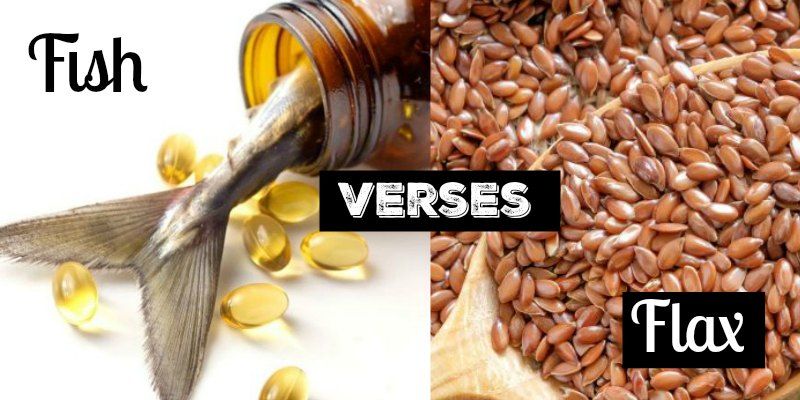
Wed, 17 Aug 2016 04:20:45 +0000 It is very popular to recommend fish oil for your brain to reduce the risk of dementia, memory loss or cognitive decline. This article is very timely since I have seen the power of the “75% packed greens diet” (smoothies and salads) mixed with added flax and/or chia seeds […]
By Kirk Hamilton April 28, 2026
Tue, 16 Aug 2016 06:37:21 +0000 This is how to make a hyper-nourishing smoothie…Do this for 28 days with a large raw salad daily, no added oils, no processed foods, 96 oz of water, at least a 1/4 cup of flax seed and some amazing things will happen to many of you!  Watch my video […]
By Kirk Hamilton April 14, 2026
Tue, 14 Apr 2026 04:28:40 +0000 Who Decides What Counts As Evidence? In 109 studies in 2022 regarding the relationship between the Covid Vaccine and Autoimmune Disorders “Nearly 60% of the studies reported relapses or flares, and approximately one-quarter documented new-onset conditions in individuals with no prior history of autoimmunity.” Claudia Chaufan, MD, PhD School […]

Show More