
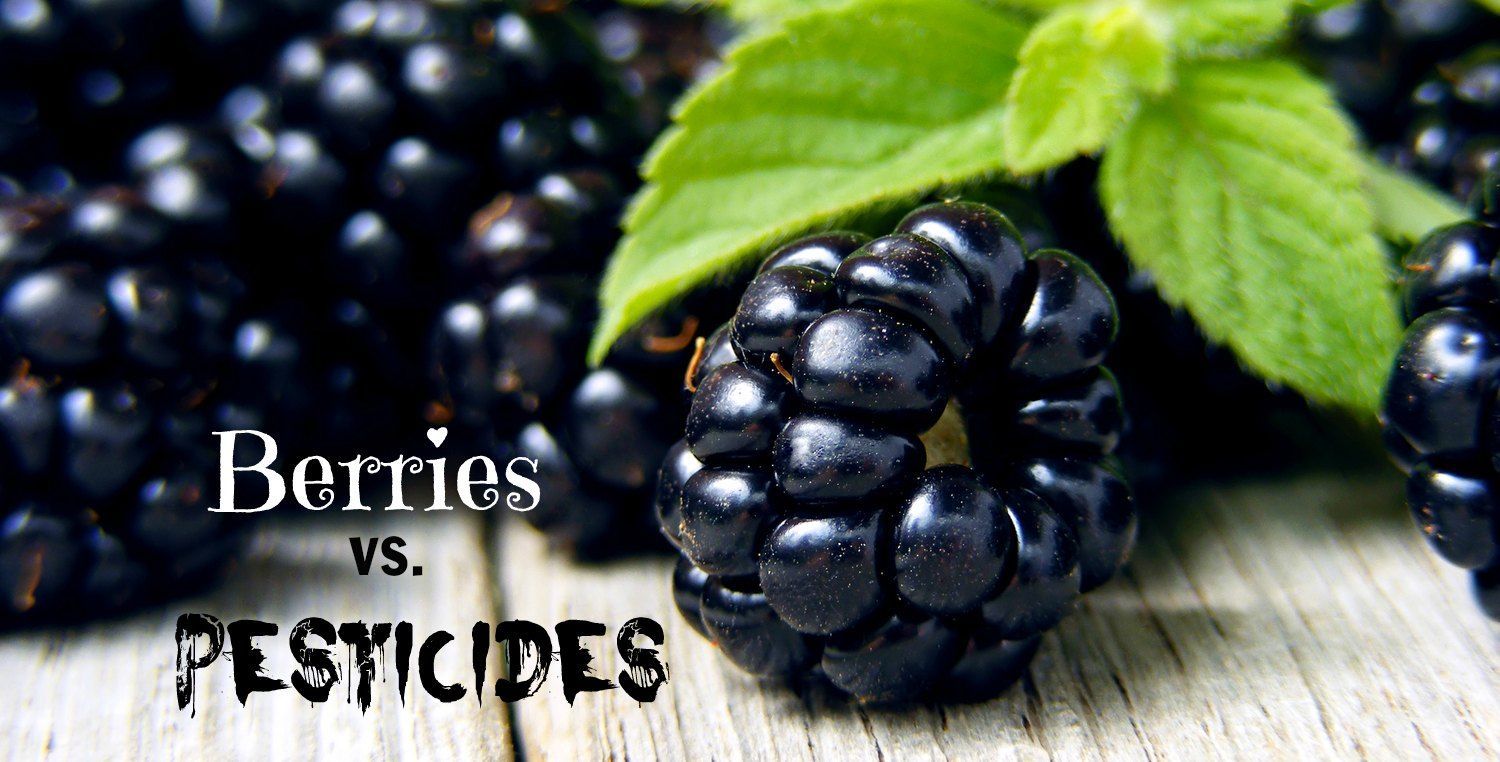
Thu, 14 Jul 2016 02:07:10 +0000 Berry consumption is shown to be protective against Parkinson’s disease in both men and women (apples are protective only in men) probably do to their flavonoid content. Obviously, you want to reduce your exposure to pesticides, but it’s just not in the fields with farm workers, it’s pesticides in […]
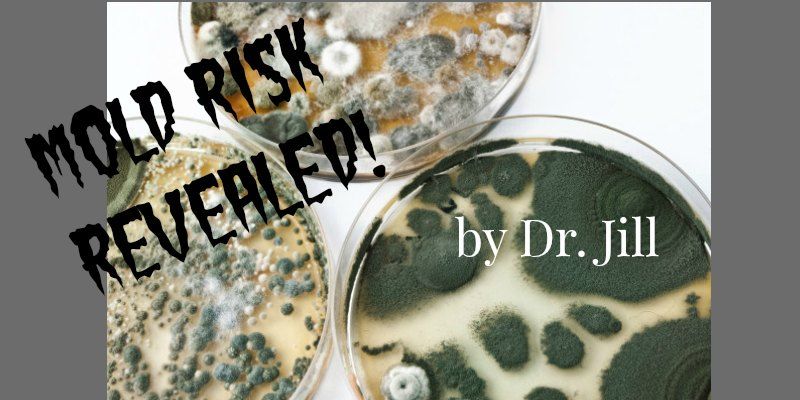
Sun, 08 Jan 2017 05:10:14 +0000 Chronic Inflammatory Response Syndrome (CIRS): What is It? Why Should We Care? What’s Does It Have to Do with Our Brain Function? (36:10 min)Kirk’s video overview of his interview with Dr. Jill Carnahan (8:19 min)Dr. Jill Carnahan’s Personal Story with Breast Cancer, Crohn’s Disease and CIRSDr. Carnahan always had […]

Sat, 16 Jul 2016 17:35:14 +0000 Great article! Physician-farmer grows the “plants” he prescribes to patients. One of his “ah ha” moments when his dad, who was given one month to live from pancreatic cancer, switched to a macrobiotic diet and lived another 18 months with excellent quality of life. He eventually sold his assets […]

Sat, 27 Aug 2016 20:39:18 +0000 Six or 7 years ago I had a gut infection and about month later I had an episode of what I believe was a version of Reiter’s Syndrome….For 2 weeks I had knife-like, burning urethritis (with no sign of infection), conjunctivitis – the white parts of my eyes were […]
Thu, 01 Sep 2016 03:39:09 +0000 Good-Bye Inflammation! How A Medical Doctor Reverses Chronic Diseases With A Hyper-Nourishing Diet Plan (33:27 min) Kirk’s overview video of his interview with Dr. Brooke Goldner (4:44 min) Starting September 5, 2016 – Take Dr. Goldner’s FREE “28 Day SmoothieSHRED Challenge”! Dr. Brooke Goldner, a board certified psychiatrist, shares […]
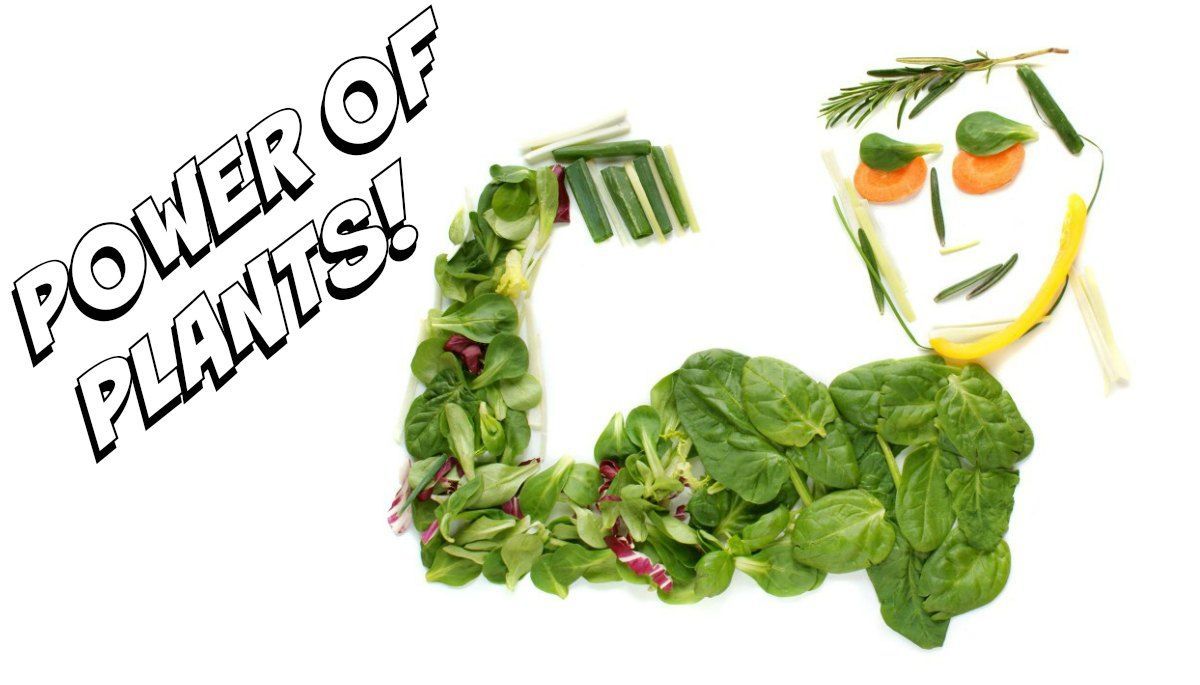
Wed, 28 Sep 2016 01:11:56 +0000 Been traveling a bit this September for conferences every single weekend…one moreto go….IV Vitamin C in Cancer and Sepsis in Kansas City this Friday and Saturday…. September 10 went to Montefiore Hospital, Bronx, NY to see how plant-based cardiologistDr. Ostfeld teaches his one day Cardiac Wellness Workshop…I’m a bit […]

Thu, 08 Sep 2016 02:34:53 +0000 Dr. Marc Katz who received his combined M.D., M.P.H. from Tulane University School of Medicine in 1981. He completed his internship and residency in general surgery at the Medical College of Virginia, then a fellowship in cardiothoracic surgery, and additionally a fellowship in pediatric cardiac surgery at Boston Children’s […]
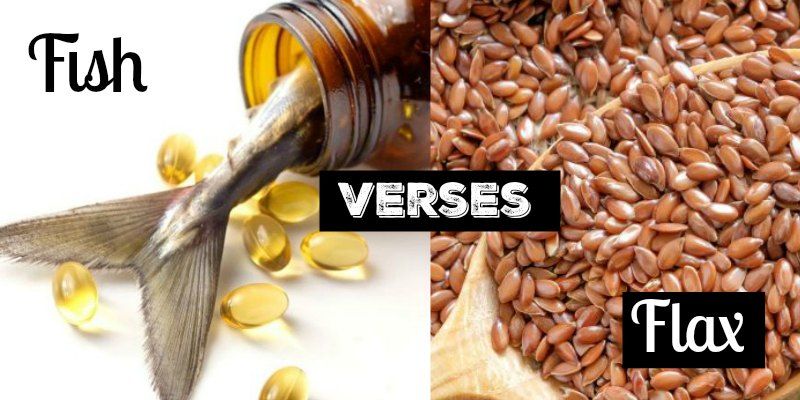
Wed, 17 Aug 2016 04:20:45 +0000 It is very popular to recommend fish oil for your brain to reduce the risk of dementia, memory loss or cognitive decline. This article is very timely since I have seen the power of the “75% packed greens diet” (smoothies and salads) mixed with added flax and/or chia seeds […]
Tue, 16 Aug 2016 06:37:21 +0000 This is how to make a hyper-nourishing smoothie…Do this for 28 days with a large raw salad daily, no added oils, no processed foods, 96 oz of water, at least a 1/4 cup of flax seed and some amazing things will happen to many of you! Watch my video […]
Tue, 14 Apr 2026 04:28:40 +0000 Who Decides What Counts As Evidence? In 109 studies in 2022 regarding the relationship between the Covid Vaccine and Autoimmune Disorders “Nearly 60% of the studies reported relapses or flares, and approximately one-quarter documented new-onset conditions in individuals with no prior history of autoimmunity.” Claudia Chaufan, MD, PhD School […]