
How You Reverse Insulin Resistance (and Diabetes) Rapidly with A Low-Fat, High Carb Diet – An Interview with Type 1 Diabetic, Cyrus Khambatta, PhD (Nutritional Biochemistry)

Kirk Hamilton • April 15, 2017

Share this article

Sat, 15 Apr 2017 20:14:07 +0000

Dr. Khambatta’s Personal “Mastering Diabetes” Story
Dr. Khambatta was diagnosed with type 1 diabetes at the age of 22 during his senior year in college while a mechanical engineering student at Stanford University.  He had been an athlete all his life playing all types of sports. He was told upon his diagnoses to start counting and reduce his carbohydrate intake, and, to take insulin.  He was given the standard advise that if he reduced his carbohydrate intake he would need less insulin and control his blood sugar better. That first year he cut his carbohydrates down to 100-120 grams per day and he ate more protein rich and fatty foods. With this approach he felt terrible, lost his energy, and his blood sugar was uncontrollable.  He had no idea how to control his blood glucose.

The carbohydrates he consumed were processed, fat and sugar laden carbs, with little non-starchy carbohydrate or “good” low  glycemic,  carbohydrates like beans, lentils, peas, etc.. He had more protein, dairy products and fat in this dietary approach.  He could not control his blood glucose with any predictable use of his insulin. He had to make continued adjustments, and frequently, there would be hypoglycemic episodes as well as elevated blood sugar levels.

His “ah ha” moment came after playing soccer on day and he felt terrible and his blood sugar was 285. He “threw” his glucose meter against the wall and cried in despair. He had a realization that food was the problem and decided with conviction that he had to learn how to eat and learn about nutrition. He read books about low carb, high protein diets, but this hadn’t worked and eventually some friends shared with him the potential benefits of a plant based diet approach to his diabetes. He notes he used to make fun of vegetarians.  But he went to a retreat in Colorado conducted by Dr. Douglas Graham and was placed on a raw food, low fat plant-based diet and was told that this would dramatically reduce his blood glucose and insulin need over the course of the next week. After eating only raw fruits and vegetables and INCREASING his carbohydrate intake to about 600 grams per day (or a 4 fold increase) his blood sugar dropped dramatically and his insulin use went from 42 units per day to 26-27 units per day.  The very first night on this diet he had hypoglycemic (low blood sugar) symptoms and had to lower his insulin. Dr. Khambatta changed his vocational direction and went back to school and eventually earned a PhD in nutritional biochemistry from the University of California, Berkeley.

In their Mastering Diabetes Retreats in which people are put on low fat, whole food, plant-based diets (and exercise) over a 4-5 days period blood sugars and insulin drop within the first 24 hours.  Sometimes it takes 48 hours for the blood sugars and insulin levels to begin to drop dramatically.

Listening to the Mastering Diabetes Summit Interviews Is a Must!
It is extremely worthwhile to listen to the 25 plus physician, health educator, researcher interviews from their Mastering Diabetes Summit who review different aspects and experiences using this same low fat, whole food, plant-based diet to lower insulin use and blood glucose levels dramatically.

Reducing Insulin Resistance and Improving Insulin Sensitivity…The “Lock and Key” to Great Health and Disease Prevention… Clarifying the Confusion!
“Insulin resistance is caused by the storage of fat in tissues that are not designed to store fat” according to Dr. Khambatta adipose tissue is the only tissue designed to store fat and is all over your body.  Fat (fatty acids) is stored in adipose tissue (fat cells).  Adipose tissue is a type of protective mechanism designed to store the excess energy (fatty acids) as fat so it doesn’t affect other tissues.

If you consume more than 15% of your calories as fat (many health professionals erroneously say a low fat diet is a 30% fat diet) you begin to store the excess fat in other tissues like the muscle, liver, pancreas, gall bladder, etc..  As these organ tissues fill up with fat energy sensors “say” there is enough energy (as fat) in the cell so they block insulin’s ability to allow glucose (another source of energy) to enter the cell (shutting down insulin receptors). Thus creating high blood sugar because of insulin resistance.

Reversing Insulin Resistance
The first step in reversing insulin resistance is to reduce the fat you are consuming then the fat in the organs (muscle, liver, pancreas, etc.) has a chance to become oxidized or burned.  At the same time you begin to increase your intake of whole, plant-based foods eating only UNPROCESSED carbohydrates, which are more time released as they are broken down into glucose and can now enter the cell more efficiently and your blood sugar and insulin needs go down (or you improve insulin sensitivity).  Within 24 or 48 hours, or within several weeks, depending on the speed of the person’s dietary and metabolic change fat is reduced within the cell and carbohydrate can enter the cell and to be burned as energy with a subsequent reduction of blood sugar.  (video ” What Causes Insulin Resistance? ” 4:55 min)

The Importance of Eating “Whole” Carbohydrates
Eating “whole carbohydrates” like beans, lentils, peas, whole grains, squash, yams, sweet potatoes, potatoes, non-starchy vegetables and fruit provide time – released glucose, along with fiber, antioxidants, phytochemicals,  vitamins and minerals that help reduce inflammation, improve metabolism and blood sugar regulation. The carbohydrate has NOT been processed in any way. It is eaten intact as nature made it. Processed sugars, which are generally just glucose and/or fructose, do not come with these protective compounds and fiber, and inserted into processed foods come with added fats, and subsequently increase insulin resistance.

What Does Meat Do To Insulin Resistance?
Meat is an insulinogenic food (increases the secretion of insulin).   Meat, eggs, fish, chicken, beef, pork secrete as much insulin as white bread according to Dr. Khambatta. They are “insulinogenic”.  You can stop eating carbohydrates but still have insulin being secreted from your meat intake.  If you just get rid of carbohydrates your insulin resistance doesn’t go to “zero”. (video “ Why Meat is a Risk Factor for Diabetes? ” 5:31 min)

Reversing Your Diabetes and Insulin Resistance With the “ Mastering Diabetes On-Line Group Coaching Program ” and “ The Mastering Diabetes Retreat
Diabetes is the ultimate “measurable” disease. Diabetics (or anyone) can measure their blood sugar several times per day and/or calculate one’s insulin need.

In the On-Line Coaching Program over a 4 month period you make step-wise changes in converting to a low-fat, whole-food, plant-based diet which includes access to an online community, on-line video instruction, and support services to make this gradual change doable and permanent. There is a weekly video conference meeting where your problem (s) can be discussed and everyone listening can learn and recommendations are made. Over the 4 month course people can become transformed in their health and their complete control of their diabetes or eliminate it.

At the Mastering Diabetes Retreat , which is currently held twice a year in Southern California, 15-20 people come from all over the world who are type 1 and type 2 diabetics and experience a 4 day “boot camp” on “curing” insulin resistance and dramatically improving insulin sensitivity by as much as 250%.  There is incredibly fast change with this whole food, low fat, plant-based diet approach. The lodging, food, exercise and total educational package is provided in cost of the retreat.

How Do You Measure Insulin Resistance?
If you are Insulin Dependent to determine your insulin resistance divide the total number of carbohydrates consumed (in milligrams) in a 24 hour period by the total amount of insulin used (basal insulin plus added insulin).  The higher the number the less insulin resistance and the more insulin sensitive you are.

If you are Non Insulin Dependent you have to do a Glucose Tolerance Test to test your insulin resistance.  An “at home” glucose tolerance test using 50 grams of carbohydrate (ex. 2 bananas, etc) can be used to check your sugar at 0, 30, 60, 90 and 120 minutes and this is charted on a graph. As your insulin resistance improves there will be less “area underneath your blood glucose curve” and there will be less of a rise in your blood sugar and length of its fall.

Be and Stay Well,

Kirk


Recent Posts

By Kirk Hamilton April 28, 2026
Thu, 14 Jul 2016 02:07:10 +0000 Berry consumption is shown to be protective against Parkinson’s disease in both men and women (apples are protective only in men) probably do to their flavonoid content. Obviously, you want to reduce your exposure to pesticides, but it’s just not in the fields with farm workers, it’s pesticides in […]

By Kirk Hamilton April 28, 2026
Sun, 08 Jan 2017 05:10:14 +0000 Chronic Inflammatory Response Syndrome (CIRS): What is It? Why Should We Care? What’s Does It Have to Do with Our Brain Function? (36:10 min)Kirk’s video overview of his interview with Dr. Jill Carnahan (8:19 min)Dr. Jill Carnahan’s Personal Story with Breast Cancer, Crohn’s Disease and CIRSDr. Carnahan always had […]

By Kirk Hamilton April 28, 2026
Sat, 16 Jul 2016 17:35:14 +0000 Great article! Physician-farmer grows the “plants” he prescribes to patients. One of his “ah ha” moments when his dad, who was given one month to live from pancreatic cancer, switched to a macrobiotic diet and lived another 18 months with excellent quality of life. He eventually sold his assets […]

By Kirk Hamilton April 28, 2026
Sat, 27 Aug 2016 20:39:18 +0000 Six or 7 years ago I had a gut infection and about month later I had an episode of what I believe was a version of Reiter’s Syndrome….For 2 weeks I had knife-like, burning urethritis (with no sign of infection), conjunctivitis – the white parts of my eyes were […]

By Kirk Hamilton April 28, 2026
Thu, 01 Sep 2016 03:39:09 +0000 Good-Bye Inflammation! How A Medical Doctor Reverses Chronic Diseases With A Hyper-Nourishing Diet Plan (33:27 min) Kirk’s overview video of his interview with Dr. Brooke Goldner (4:44 min)   Starting September 5, 2016 – Take Dr. Goldner’s FREE “28 Day SmoothieSHRED Challenge”! Dr. Brooke Goldner, a board certified psychiatrist, shares […]
By Kirk Hamilton April 28, 2026
Wed, 28 Sep 2016 01:11:56 +0000 Been traveling a bit this September for conferences every single weekend…one moreto go….IV Vitamin C in Cancer and Sepsis in Kansas City this Friday and Saturday…. September 10 went to Montefiore Hospital, Bronx, NY to see how plant-based cardiologistDr. Ostfeld teaches his one day Cardiac Wellness Workshop…I’m a bit […]

By Kirk Hamilton April 28, 2026
Thu, 08 Sep 2016 02:34:53 +0000 Dr. Marc Katz who received his combined M.D., M.P.H. from Tulane University School of Medicine in 1981. He completed his internship and residency in general surgery at the Medical College of Virginia, then a fellowship in cardiothoracic surgery, and additionally a fellowship in pediatric cardiac surgery at Boston Children’s […]
By Kirk Hamilton April 28, 2026
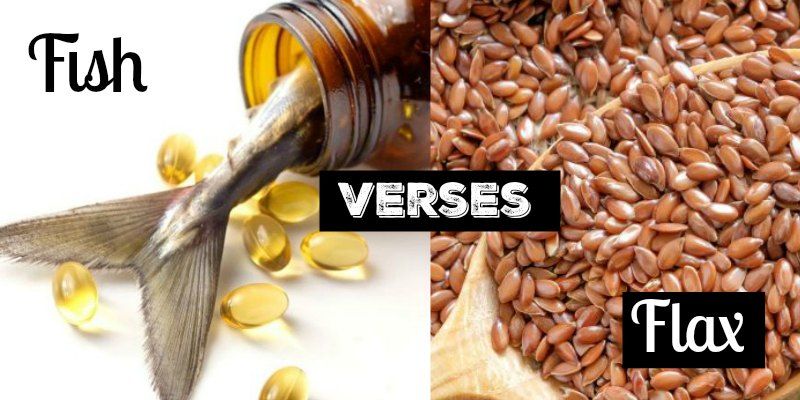
Wed, 17 Aug 2016 04:20:45 +0000 It is very popular to recommend fish oil for your brain to reduce the risk of dementia, memory loss or cognitive decline. This article is very timely since I have seen the power of the “75% packed greens diet” (smoothies and salads) mixed with added flax and/or chia seeds […]
By Kirk Hamilton April 28, 2026
Tue, 16 Aug 2016 06:37:21 +0000 This is how to make a hyper-nourishing smoothie…Do this for 28 days with a large raw salad daily, no added oils, no processed foods, 96 oz of water, at least a 1/4 cup of flax seed and some amazing things will happen to many of you!  Watch my video […]
By Kirk Hamilton April 14, 2026
Tue, 14 Apr 2026 04:28:40 +0000 Who Decides What Counts As Evidence? In 109 studies in 2022 regarding the relationship between the Covid Vaccine and Autoimmune Disorders “Nearly 60% of the studies reported relapses or flares, and approximately one-quarter documented new-onset conditions in individuals with no prior history of autoimmunity.” Claudia Chaufan, MD, PhD School […]

Show More