

Colon Cancer and Vitamin D, Mechanisms In Prevention and Treatment: An Interview with Professor Glen Jeffery

Kirk Hamilton • August 12, 2025

Share this article

Tue, 12 Aug 2025 01:39:27 +0000

Glen Jeffery, PhD, BSc Professor of Neuroscience Institute of Ophthalmology, University College London 11-43 Bath St, London EC1V9EL, UK g.jeffery@ucl.ac.uk (08-07-25 ) video interview click here

Longer wavelengths in sunlight pass through the human body and have a systemic impact which improves vision . Sci Rep 15 , 24435 (2025) Full Article & Abstract

[Below is a ChatGPT summary of the unedited transcript from the video above with the article abstract with ChatGPT instructed to summarize and improve the grammar of the interview. This abbreviated summary was approved by Dr. Glen Jeffery and Kirk Hamilton PAC]

Improved Vision, Mitochondrial Function, and the Potential Benefits of Long-Wavelength Red Light Therapy

An Interview with Professor Glen Jeffery, PhD, BSc
Professor of Neuroscience, Institute of Ophthalmology, University College London

Interviewed by Kirk Hamilton, PAC
Host, Staying Healthy Today Show
Recorded: August 7, 2025

KIRK HAMILTON:
Hi everyone, I’m Kirk Hamilton, your host of the Staying Healthy Today Show—where we explore the fields of nutrition, prevention, and integrative lifestyle medicine. Today, we’re diving into a fascinating topic: how longer wavelengths of light, specifically red and infrared, can improve vision and mitochondrial function.

When I saw the title of Professor Glen Jeffery’s recent study, “Longer Wavelengths in Sunlight Pass Through the Human Body and Have a Systemic Impact Which Improves Vision,” I was immediately intrigued. As someone who loves sunlight and believes it’s benefits are more than just vitamin D I was very interested in talking to him.

So, joining us from London is Professor Glen Jeffery , PhD, Professor of Neuroscience at the Institute of Ophthalmology at University College London. Dr. Jeffery, thank you so much for being here today.

GLEN JEFFERY:
Thank you, it’s a pleasure.

Why This Research?

KIRK HAMILTON:
Let’s start at the beginning. What inspired you to study red and infrared light, and what were you hoping to discover?

GLEN JEFFERY:
Great question. About 15 years ago, I started seeing consistent evidence in the scientific literature showing that long-wavelength light—particularly in the red and near-infrared spectrum—has beneficial effects on cellular metabolism , particularly in mitochondria.

I also wanted to translate our lab findings into real-world scenarios , which is often a missing step in science. So, we did something simple: we exposed people to sunlight and measured what wavelengths actually passed through their bodies. We found that infrared light from the sun does penetrate through the torso , and we measured it coming out the back. That surprised us—but physicists had predicted it.

Then, we recreated that sunlight exposure in the lab using specific LED wavelengths (830–860 nm) and tested how that affected vision and mitochondrial function. The results were consistent: infrared light exposure improved vision , even when the eyes themselves weren’t directly exposed.

How Light Affects Mitochondria—and Vision

KIRK HAMILTON:
So how exactly does this type of light improve vision and mitochondrial function?

GLEN JEFFERY:
Well, mitochondria are the energy factories of your cells . When you hit them with long-wavelength light, they produce more ATP , the energy currency of the cell. That supports improved cellular function across the board.

Now, the retina has more mitochondria per cell than almost any other tissue , so it’s an ideal place to see an effect. We used a simple visual test—colored letters on a noisy background—to measure color contrast sensitivity. It’s an easy metric, and we saw improvements within 24 hours of exposure.

Sunlight vs Red Light Therapy Devices

KIRK HAMILTON:
Was the light in your studies natural sunlight, or did you use red light therapy devices?

GLEN JEFFERY:
Both. Sunlight has enormous amounts of infrared light—more than any LED device can reproduce. In the study, we first tested people outside and measured which wavelengths passed through their bodies. Then we created a lab device mimicking those wavelengths and got the same positive results indoors.

Clothing doesn’t block the infrared light , by the way—it attenuates it slightly but still lets it through. So whether you’re wearing a shirt or not, sunlight’s longer wavelengths can still reach your tissues.

Practical Applications: Just Go for a Walk

KIRK HAMILTON:
So, for the average person—is just getting outside for a walk is enough?

GLEN JEFFERY:
Absolutely! Keep your credit card in your pocket and go for a walk. You’ll get all the infrared light you need—free of charge—and it’s incredibly beneficial.

Even on cloudy days, there’s still plenty of scattered infrared light . Water in the clouds does scatter it, but it doesn’t eliminate it. There’s no excuse not to go outside.

Critical Care, Architecture, and Incandescent Bulbs

KIRK HAMILTON:
So how does this research apply in places like hospitals or care homes?

GLEN JEFFERY:
Hospitals and modern buildings are a problem. Most indoor lighting is LED-based, which contains zero long-wavelength infrared light. That’s why we’ve been working with critical care units in major London hospitals to introduce light sources that enrich the environment with infrared.

One of the best solutions? Old-fashioned incandescent bulbs. They produce a smooth spectrum of light, very similar to sunlight, including plenty of infrared. They’re cheap, effective, and much better than most “full-spectrum” LEDs.

Unfortunately, they’re being phased out in both the US and UK for energy efficiency reasons. But from a health perspective—especially for mitochondrial function— incandescents are far superior.

Real-World Impacts: Grip Strength, Vision, Inflammation

KIRK HAMILTON:
Have you seen other measurable benefits besides vision?

GLEN JEFFERY:
Yes, other researchers in London have shown that grip strength improves with similar light exposure. That’s a big deal for aging populations. Better grip strength means improved motor function, fewer falls, and longer healthspan.

There’s also a fantastic study from a U.S. city where they planted thousands of trees and found that residents’ CRP levels—an inflammation marker—went down . Trees reflect infrared light. So, just walking through greenery can shower you in therapeutic infrared.

On Aging, Vision, and Public Health

KIRK HAMILTON:
You mentioned earlier vision and aging. Can regular exposure to this light help prevent vision loss, like macular degeneration?

GLEN JEFFERY:
Yes, we’ve shown that older individuals experience improved color vision after red light exposure . I did a clinical trial for macular degeneration that didn’t succeed—likely due to patient selection—but another UK trial just finished and showed significant benefits in early-stage macular degeneration.

This kind of light could become a non-invasive therapy for age-related conditions where mitochondrial decline plays a central role.

Final Thoughts: Simple, Free, and Effective!

KIRK HAMILTON:
This has been incredibly eye-opening. Any final thoughts you’d like to share?

GLEN JEFFERY:
Sure. Let me say it again: Don’t spend your money. Just go for a walk. The cardiovascular benefits of walking are well known, but now we know it also recharges your cellular batteries—your mitochondria.

And to be clear, I have half a dozen expensive red light devices sitting in my office—sent to me by companies. Some of them have $15 worth of parts and sell for thousands. The science doesn’t require that. Just step outside.

KIRK HAMILTON:
That’s a great way to end. Go for a walk, recharge your mitochondria, and save your money. Thank you, Dr. Jeffery, for your time, your research, and for bringing this down to earth.

GLEN JEFFERY:
My pleasure, Kirk. Stay well.

Key Takeaways:

  • Infrared light (830–860 nm) from sunlight penetrates deeply through the body and boosts mitochondrial function.

  • This improves vision, grip strength, motor skills , and likely reduces inflammation.

  • Sunlight is more effective than most red light therapy devices —and it’s free.

  • Even clothing doesn’t block therapeutic infrared light .

  • Modern lighting—especially LED— removes infrared , potentially impacting long-term health.

  • Incandescent bulbs offer a more natural light spectrum and may support better health indoors.

    Kirk’s Comments:

  • Dr. Jeffery and colleagues work confirms my own personal experience that feeling better in sunlight goes beyond vitamin D but could be the energy and well-being enhancement of improved mitochondrial function and ATP production (and vitamin D!).

  • How convenient that you can get a beneficial ATP boosting effect even with your clothes on and even on an overcast day and you are walking through trees! All you have to do is go outside and walk!

  • The designing of the new Mayo Clinic building on the east coast that will be mostly glass, and Dr. Jeffery’s discussion about patients being close to windows in the critical care units dong better, reminds me after my colon cancer surgery (colectomy). As I was walking in the hospital hallways and I would sit with my back up against the window and feel the warm of the sun coming through the window and how good that felt! Stimulating mitochondria I bet!

  • I think of how many conditions and patients could improve just by walking or exercising outside!

  • It was very intriguing that grip strength improved by those getting longer wavelengths of light.

  • And for those that have macular degeneration get out side and get exposed to full spectrum light.

  • It left with me a smile on my face with incandescent lights being potentially healing and how we have tried to do away with them. If I can I am going to get a few lamps with incandescent lights for my home.

  • When in doubt. Keep your wallet in your pocket and go for a walk even on a cloudy day or under trees. You will still get some benefit from full spectrum long wavelength healing light. Your ATP producing mitochondria with thank you…And you might also prevent a fall with improved grip strength.

Kirk Hamilton PA-C
Health Associates Medical Group
3301 Alta Arden, Suite 3
Sacramento, CA 95825
(916) 489-4400 (w)
krhammer@surewest.net
StayingHealthyToday Substack
www.StayingHealthyToday.com
www.HealthyLivingforBusypeople.com
www.KwikerMedical.com


Recent Posts

By Kirk Hamilton April 28, 2026
Thu, 14 Jul 2016 02:07:10 +0000 Berry consumption is shown to be protective against Parkinson’s disease in both men and women (apples are protective only in men) probably do to their flavonoid content. Obviously, you want to reduce your exposure to pesticides, but it’s just not in the fields with farm workers, it’s pesticides in […]

By Kirk Hamilton April 28, 2026
Sun, 08 Jan 2017 05:10:14 +0000 Chronic Inflammatory Response Syndrome (CIRS): What is It? Why Should We Care? What’s Does It Have to Do with Our Brain Function? (36:10 min)Kirk’s video overview of his interview with Dr. Jill Carnahan (8:19 min)Dr. Jill Carnahan’s Personal Story with Breast Cancer, Crohn’s Disease and CIRSDr. Carnahan always had […]

By Kirk Hamilton April 28, 2026
Sat, 16 Jul 2016 17:35:14 +0000 Great article! Physician-farmer grows the “plants” he prescribes to patients. One of his “ah ha” moments when his dad, who was given one month to live from pancreatic cancer, switched to a macrobiotic diet and lived another 18 months with excellent quality of life. He eventually sold his assets […]
By Kirk Hamilton April 28, 2026
Sat, 27 Aug 2016 20:39:18 +0000 Six or 7 years ago I had a gut infection and about month later I had an episode of what I believe was a version of Reiter’s Syndrome….For 2 weeks I had knife-like, burning urethritis (with no sign of infection), conjunctivitis – the white parts of my eyes were […]
By Kirk Hamilton April 28, 2026
Thu, 01 Sep 2016 03:39:09 +0000 Good-Bye Inflammation! How A Medical Doctor Reverses Chronic Diseases With A Hyper-Nourishing Diet Plan (33:27 min) Kirk’s overview video of his interview with Dr. Brooke Goldner (4:44 min)   Starting September 5, 2016 – Take Dr. Goldner’s FREE “28 Day SmoothieSHRED Challenge”! Dr. Brooke Goldner, a board certified psychiatrist, shares […]

By Kirk Hamilton April 28, 2026
Wed, 28 Sep 2016 01:11:56 +0000 Been traveling a bit this September for conferences every single weekend…one moreto go….IV Vitamin C in Cancer and Sepsis in Kansas City this Friday and Saturday…. September 10 went to Montefiore Hospital, Bronx, NY to see how plant-based cardiologistDr. Ostfeld teaches his one day Cardiac Wellness Workshop…I’m a bit […]

By Kirk Hamilton April 28, 2026
Thu, 08 Sep 2016 02:34:53 +0000 Dr. Marc Katz who received his combined M.D., M.P.H. from Tulane University School of Medicine in 1981. He completed his internship and residency in general surgery at the Medical College of Virginia, then a fellowship in cardiothoracic surgery, and additionally a fellowship in pediatric cardiac surgery at Boston Children’s […]
By Kirk Hamilton April 28, 2026
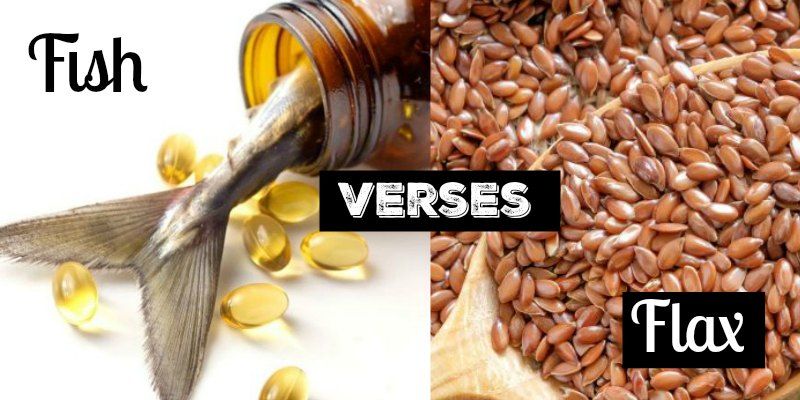
Wed, 17 Aug 2016 04:20:45 +0000 It is very popular to recommend fish oil for your brain to reduce the risk of dementia, memory loss or cognitive decline. This article is very timely since I have seen the power of the “75% packed greens diet” (smoothies and salads) mixed with added flax and/or chia seeds […]
By Kirk Hamilton April 28, 2026
Tue, 16 Aug 2016 06:37:21 +0000 This is how to make a hyper-nourishing smoothie…Do this for 28 days with a large raw salad daily, no added oils, no processed foods, 96 oz of water, at least a 1/4 cup of flax seed and some amazing things will happen to many of you!  Watch my video […]
By Kirk Hamilton April 14, 2026
Tue, 14 Apr 2026 04:28:40 +0000 Who Decides What Counts As Evidence? In 109 studies in 2022 regarding the relationship between the Covid Vaccine and Autoimmune Disorders “Nearly 60% of the studies reported relapses or flares, and approximately one-quarter documented new-onset conditions in individuals with no prior history of autoimmunity.” Claudia Chaufan, MD, PhD School […]

Show More